

10 Suggestions That May Be Helpful To Offer Support To Grieving Friends Or Family.
Grief and loss are the one thing that as humans we can not prepare for. Even harder is hearing about or being faced with a moment of grief. At times we all have faced this. Take for instance, you are in the grocery store and run into an old friend who tells you that their spouse was just diagnosed with cancer and may not live out the year. We are often unprepared for our own grief let alone a surprise attack. This is why we sometimes will fumble over our words, say something that does not make sense, or worse off just say "sorry" without out any context. Embedding of trauma arises not only from the nature of the event, but also from who is there with us before, during, and after the event happens.

Living in the Grey
You are right, they are wrong. They are right, you are wrong. What if I told you both can be right?
Derived from Dialectical Behavior Therapy (DBT), dialectical thinking helps us view issues from multiple perspectives and assign validity to both sides. All or nothing has become a prevalent thought in society, leaving many people feeling there is no room for in-between thoughts. You’re all in or you’re all out, it’s either this or that. But is it really?

7 Signs of Affective Codependency
Generosity, kindness, empathy…without these qualities no relational growth would be possible. The qualities and traits that often foster healthy and supportive relationships can also move into codependency when they become imbalanced in our life because any excess can quickly turn toxic. Here are some signs that you may be experiencing emotional co-dependency.

The Magic of Therapy
When it comes to improving your mental health, personal relationships, or personal development, you have a lot of options. There are self-help books, medications, pod-casts, talking to a friend or family member, and more. Skills can be learned from self-help books or podcasts. Insight can be gained from talking to a friend or family member. Finally, medication has a good chance of impacting how you feel. With so many other, and potentially cheaper, options why do people continue to choose therapy?

Common Humanity: A Doorway to Self-Compassion
Do you tend to be hard on yourself? When you make a mistake, do you notice that self-blame and judgment end up making everything worse? Do you feel isolated and lonely? Do you struggle with perfectionism? Do you feel embarrassed or overwhelmed by your emotions? If you answered “yes” to any of these questions, you may benefit from a Self-Compassion practice.

Your Body is Worth More Than Just How it Looks: How You Can Begin Believing it.
Samantha Roundy, MSW Intern, writes about body neutrality.

Psychedelic Therapy
Jeff Lundgren, CMHC, writes about the growing interest in psychedelic therapy.
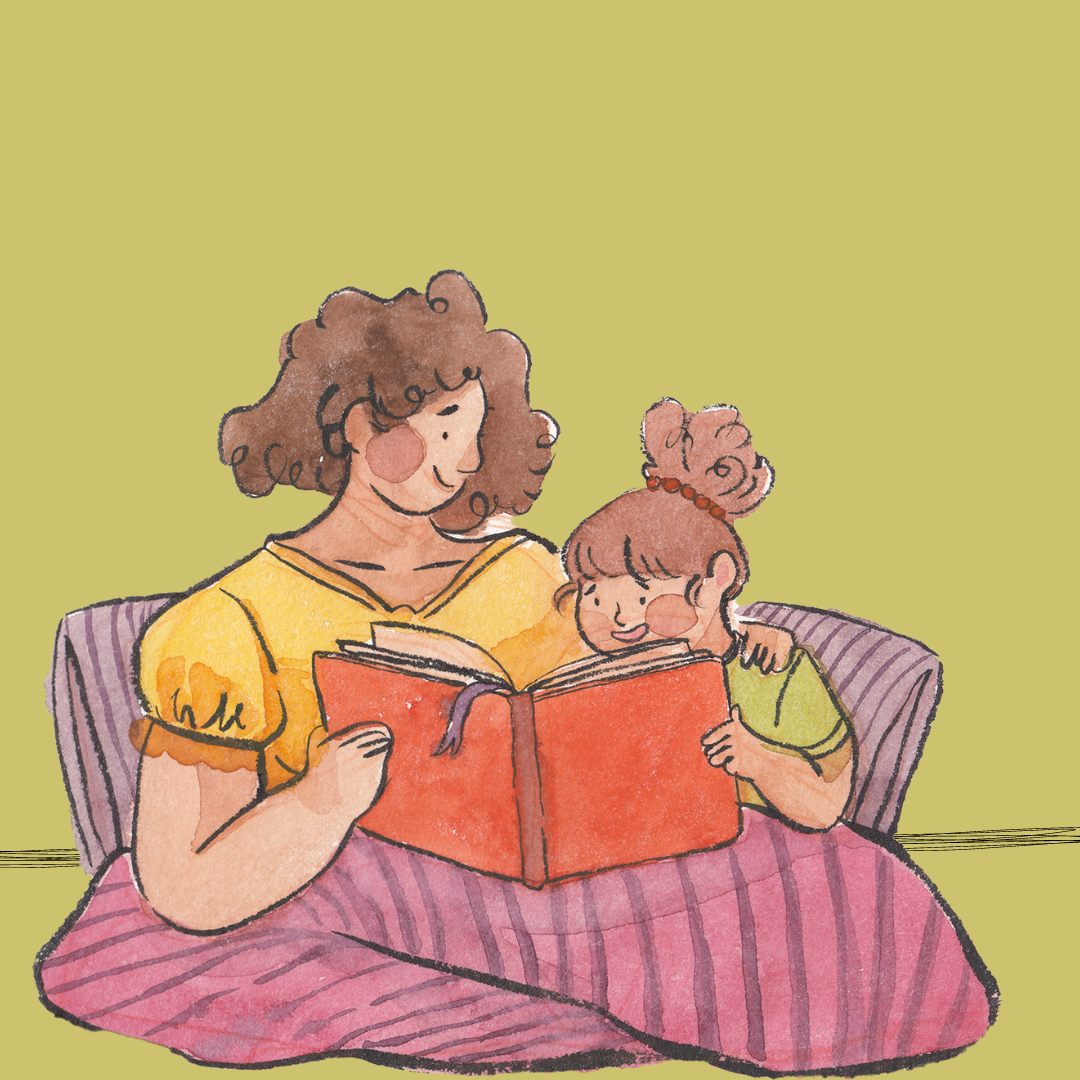
5 Skills to Improve Communication with Your Child
Christina Da Costa, CSW, writes about Parent-Child Interaction Therapy and its benefits.

How to Help Your Child Become More Empathetic
Lesli Mortensen, AMFT, writes about how to teach kids empathy.


8 Signs You Might Need Therapy:
Rachel Wininger, LCSW, writes about how we can tell it is time to seek therapy.

Silent Drowning: When High Functioning People Struggle
Sarah Hunter, LCSW, writes about the signs someone may be struggling.

Picket Fences and Cement Walls: Why Boundaries are Not Selfish
Alice Roberts, LCSW, writes about boundaries.

What is the ‘Window of Tolerance’?
Brecka Walker, LCSW, writes about the window of tolerance.


Worry Monster Part 1: Understanding Your Child’s Fears and Anxieties
Amy Lambert, LCSW, writes about how parents can better understand their child’s worries.

Thinking Errors - How Thoughts Can Be Unhelpful
Dausha Chriss, MSW Intern, writes about thinking errors.

The Most Common Complaint in Relationships
Carole Kamradt, LCSW, writes about sexual desire in relationships.

My kid is lying! What now?
Olivia Nash, CSW, writes about what to do when your child lies.
