How Do I Know If My Child Is Okay? Looking Beyond Behavior to Connection

Every parent has asked themselves this question at one point or another.
Maybe it's after your child has a meltdown over the wrong-colored cup. Maybe they come home unusually quiet from school. Maybe you've read one too many parenting books and suddenly every behavior feels like a warning sign.
You find yourself wondering:
How do I know if my child is okay?
It's a question many parents ask when they're trying to understand their child's behavior. Is this a normal part of development? Is something deeper going on? Should I be concerned?
The truth is, childhood is full of ups and downs. Children experience big emotions, changing friendships, developmental leaps, and periods of testing boundaries as they make sense of themselves and the world around them.
While changes in behavior can sometimes signal that a child is struggling emotionally, they are often a normal part of growing up. Rather than asking whether our child is always happy or always behaving well, a more helpful question might be:
Can my child move through life's challenges and return to a place of connection, regulation, and security?
As a play therapist, I've found that parents often don't need more reasons to worry. Instead, they need a framework for understanding what they're seeing.
Childhood Isn't a Straight Line

Imagine your child's development as a winding hiking trail instead of a staircase.
Some days they're confident and independent. Other days they need extra support. They may take two steps forward, one step back, then surprise you with a leap you never expected.
Growth is rarely linear.
When we expect children to be consistently calm, confident, or emotionally regulated, we may mistake normal developmental fluctuations for signs that something is wrong.
Instead, it's helpful to recognize that all children experience periods of stress. The question becomes less about whether they struggle and more about how they recover and who helps them recover.
Is My Child's Behavior Normal?
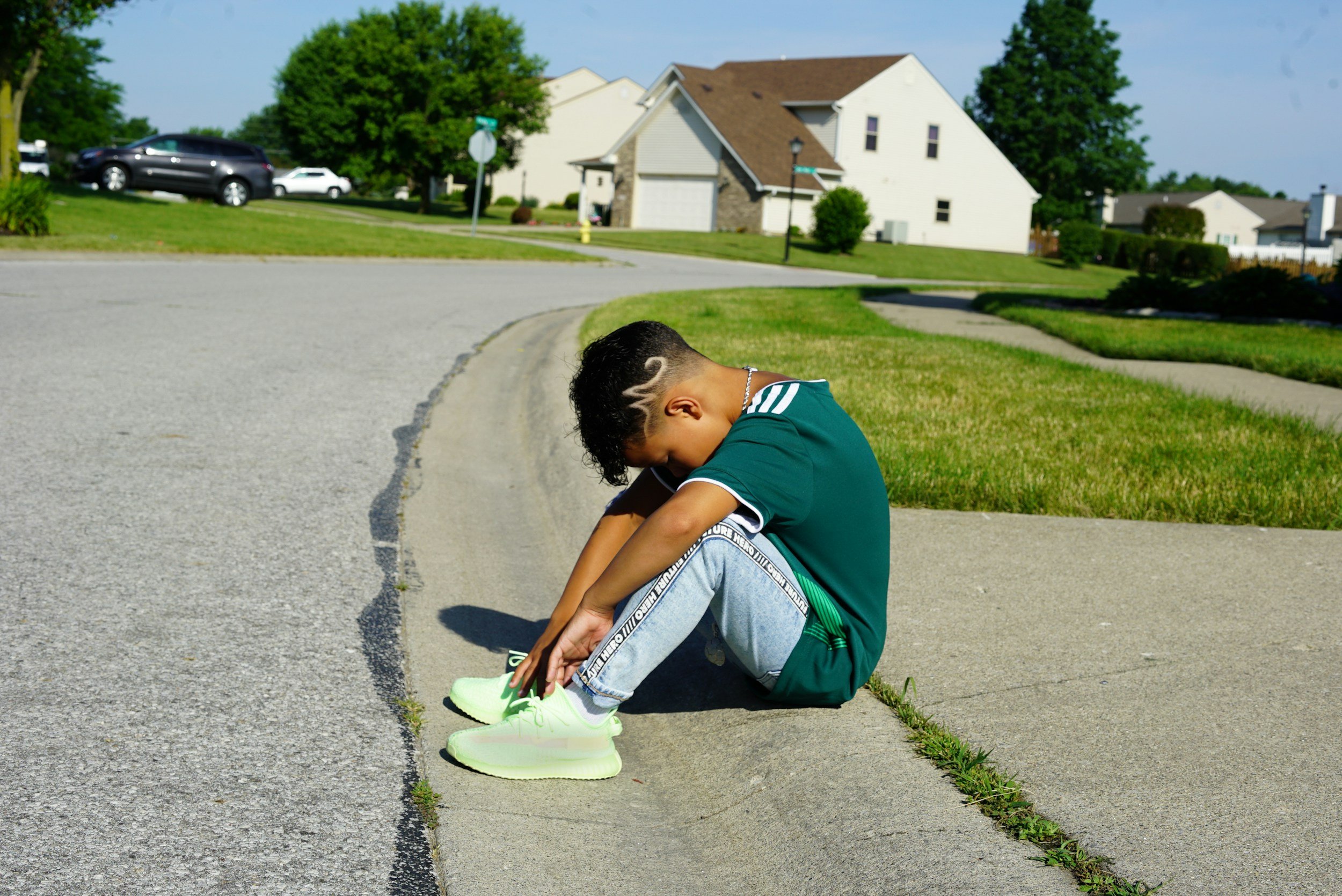
One of the most common questions parents ask is whether their child's behavior is "normal."
The answer is usually more nuanced than yes or no.
Tantrums, anxiety, frustration, clinginess, sadness, and emotional outbursts are all common parts of childhood. Rather than focusing on whether a behavior happens at all, it can be more helpful to ask:
Is this behavior new?
Is it becoming more frequent or more intense?
Is it interfering with school, friendships, or family life?
Does my child recover with support?
Am I noticing this pattern across multiple settings or only in certain situations?
Looking at the overall pattern often tells us much more than focusing on one difficult afternoon or one challenging week.
Looking Beyond Your Child's Behavior

Behavior tells a story, but it's rarely the whole story.
Beneath every meltdown, shutdown, or argument are nervous system responses, developmental needs, emotions, and life experiences that children often don't yet have words to express.
Children don't simply "act out." They communicate through behavior.
When we become curious about the meaning behind the behavior, our response shifts from correction to connection. And often, connection is exactly what children need most.
Why Connection Matters More Than Perfect Behavior

Dr. Dan Siegel reminds us that one of our deepest human needs is to feel felt—to know that another person sees us, understands us, and accepts our experience.
For children, this sense of connection grows through three simple but powerful experiences:
Being seen:My caregiver notices me.
Feeling safe:My caregiver helps me feel protected and supported.
Being soothed:When I'm overwhelmed, someone helps me find my way back to calm.
These experiences become the foundation of secure attachment and emotional resilience.
When your child is having a hard time, they may not need immediate solutions or consequences. More often, they need to know that someone understands what they're experiencing.
When children feel seen, safe, and soothed, their nervous systems settle. From that place of connection, they are better able to problem-solve, regulate emotions, and return to learning and play.
Instead of asking, "What's wrong with my child?" we can begin asking, "How can I help my child feel seen right now?"
Sometimes the answer is as simple as sitting beside them, naming what you notice, and reminding them they don't have to navigate hard feelings alone.
Attachment Is a Relationship Pattern, Not a Parenting Grade

Attachment isn't about being a perfect parent.
It's the ongoing dance between caregiver and child—the repeated experiences that teach children what to expect from relationships.
Every parent moves through moments of attunement and moments of distraction. Sometimes we're emotionally available. Sometimes we're overwhelmed or tired.
The goal isn't perfection—it's repair.
Children build secure relationships not because parents never miss their cues, but because moments of disconnection are followed by reconnection.
When a child learns, "Even when things get hard, we can find each other again," they develop resilience that extends far beyond childhood.
Signs Your Child Is Emotionally Healthy

Parents are often surprised to hear that emotionally healthy children still cry, argue, become anxious, or have bad days.
In fact, resilience often looks like flexibility rather than perfection.
Your child is likely doing well if they generally:
Recover after difficult moments, even if it takes time.
Seek connection with trusted adults.
Experience a range of emotions.
Show curiosity and engagement with their environment.
Accept comfort from others.
Return to play after periods of stress.
Continue learning and developing across different areas of life.
None of these need to happen every day.
It's the overall pattern that matters.
When Should You Seek Extra Support?

While childhood includes many expected ups and downs, there are times when additional support can make a meaningful difference.
You may want to consult with a mental health professional if your child experiences persistent changes that interfere with daily life, such as:
Ongoing withdrawal from family or friends
Intense anxiety that doesn't improve with support
Frequent emotional outbursts that feel difficult to recover from
Regression in skills they had previously mastered
Significant changes in sleep or appetite
School refusal or increasing difficulty functioning at school
Aggressive behavior that continues over time
Play that becomes rigid, repetitive, or overwhelmingly focused on fear or danger
Behavioral changes following a traumatic event, loss, or major family transition
These signs don't necessarily mean something is seriously wrong, but they may indicate that your child could benefit from additional support.
Seeking help isn't an indication that you've failed as a parent. Often, it's simply another way of supporting your child's growth and helping your family navigate a challenging season together.
How Play Therapy Can Help
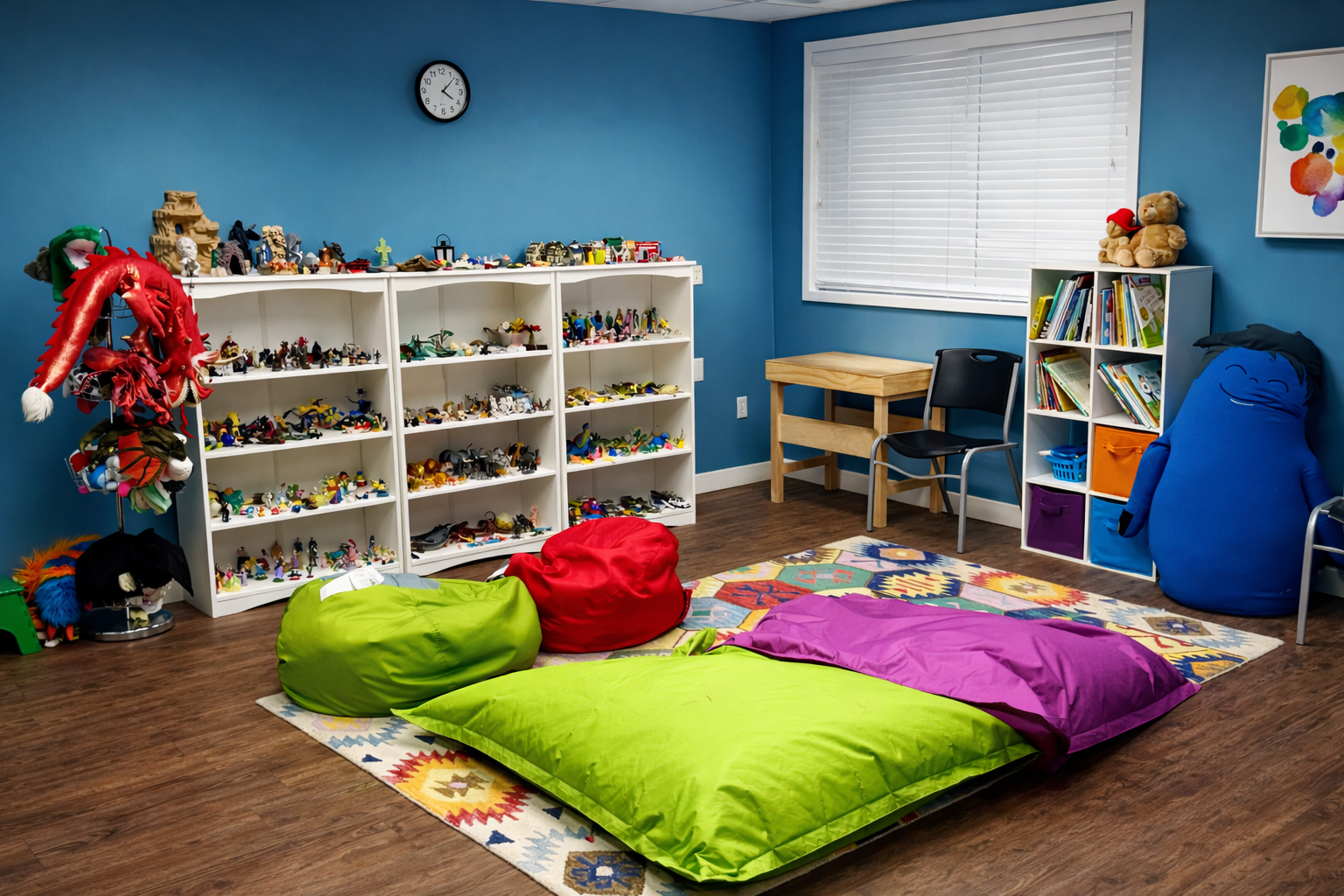
Children naturally communicate through play long before they can fully express their thoughts and emotions with words.
Play therapy provides a developmentally appropriate way for children to process difficult experiences, practice new coping skills, strengthen emotional regulation, and make sense of their world.
Just as importantly, play therapists work alongside parents and caregivers to better understand what children may be communicating through their behavior and how to strengthen connection at home.
Therapy isn't only for children in crisis. Sometimes it's simply an opportunity to better understand your child and provide additional support during a difficult season.
Supporting Your Child Through the Ups and Downs

The most powerful thing you can offer your child isn't perfect behavior management.
It's your presence.
When children know they have a safe adult who notices them, wonders about their experience, repairs after conflict, and welcomes their emotions, they develop confidence that difficult moments are survivable.
You don't have to eliminate every struggle. You simply become a steady companion through them.
The next time you find yourself asking, "Is my child okay?" consider looking beyond the behavior.
Notice how they seek connection.
Notice how they recover.
Notice how they return to curiosity, play, and relationship.
Because healthy development isn't about never falling apart. It's about having relationships that help us come back together again.
Those moments of repair, comfort, laughter, and connection are often the strongest indicators that your child is not only okay—but continuing to grow into a resilient, secure, and connected human being.
Working with Wasatch Family Therapy
If you're wondering whether your child could benefit from therapy, you don't have to figure it out alone.
At Wasatch Family Therapy, our play therapists work with children experiencing anxiety, emotional regulation difficulties, behavioral concerns, ADHD, trauma, grief, family transitions, and other childhood challenges. We also partner closely with parents and caregivers, helping them better understand their child's emotional world and strengthen connection at home.
If you're unsure whether play therapy is the right fit, we're happy to answer your questions and help you determine the next best step for your family. Contact us today to get started.