
Have you ever found yourself saying something like, "You make me so angry," or "You make me feel invisible"?
Most of us have. It's natural to connect our emotions to the behavior of the people around us. When someone we love disappoints us, criticizes us, or lets us down, it often feels as though they caused our emotions.
While other people's actions can trigger powerful emotional responses, our emotions ultimately belong to us. Learning to take responsibility for them doesn't mean excusing hurtful behavior or pretending our feelings don't matter. It means recognizing that when we understand our own emotional experience, we have far more control over how we respond.
That subtle shift can change the way we communicate, navigate conflict, and experience our closest relationships.
What Does It Mean to Take Responsibility for Your Emotions?
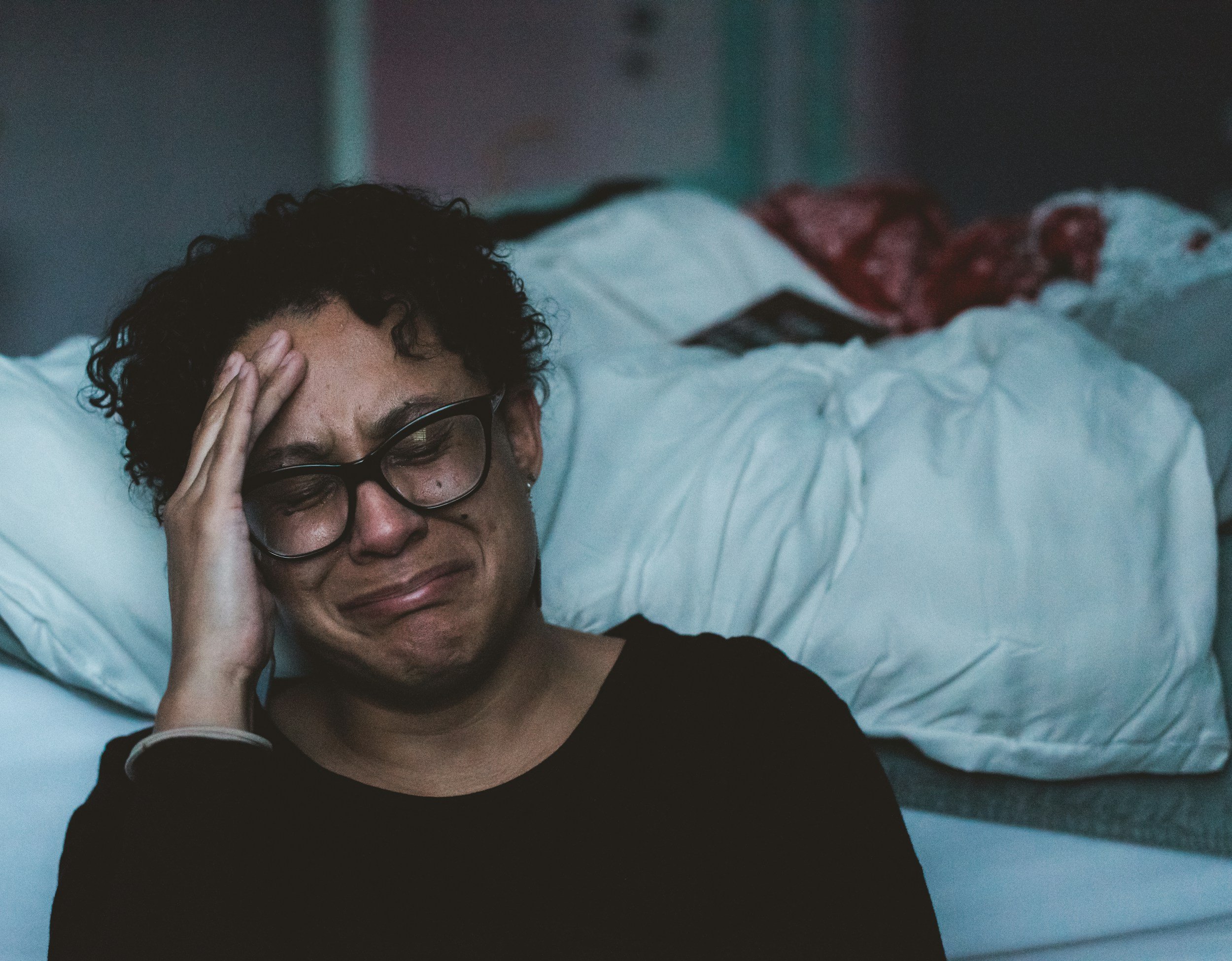
Taking responsibility for your emotions means recognizing that while another person's behavior may trigger your feelings, your emotional responses belong to you. Instead of expecting someone else to fix, prevent, or carry your emotions, you learn to understand them, regulate them, and communicate them with intention.
It isn't about blaming yourself. It isn't about pretending someone else's behavior doesn't matter. It's about taking ownership of your internal experience so that your choices are guided by intention rather than reaction.
Relationships are tricky things. Falling in love is a blast. It is often described as a chemical high, an addictive drug, or a peak experience. And that high feeling tends to last for a while.
People also describe their beloved as the source of those good feelings.
"I love how you make me feel."
"You make me so happy."
Later, this same way of thinking often means the loved one takes the blame for negative feelings as well.
"You make me so angry."
"You've hurt me so badly."
This language — and the thinking that goes with it — is very common. We all tend to attribute our emotions to the behavior of others. But there is a danger in this. When we hand responsibility for our emotions over to someone else, we also hand over control.
Why Do We Blame Other People for Our Feelings?
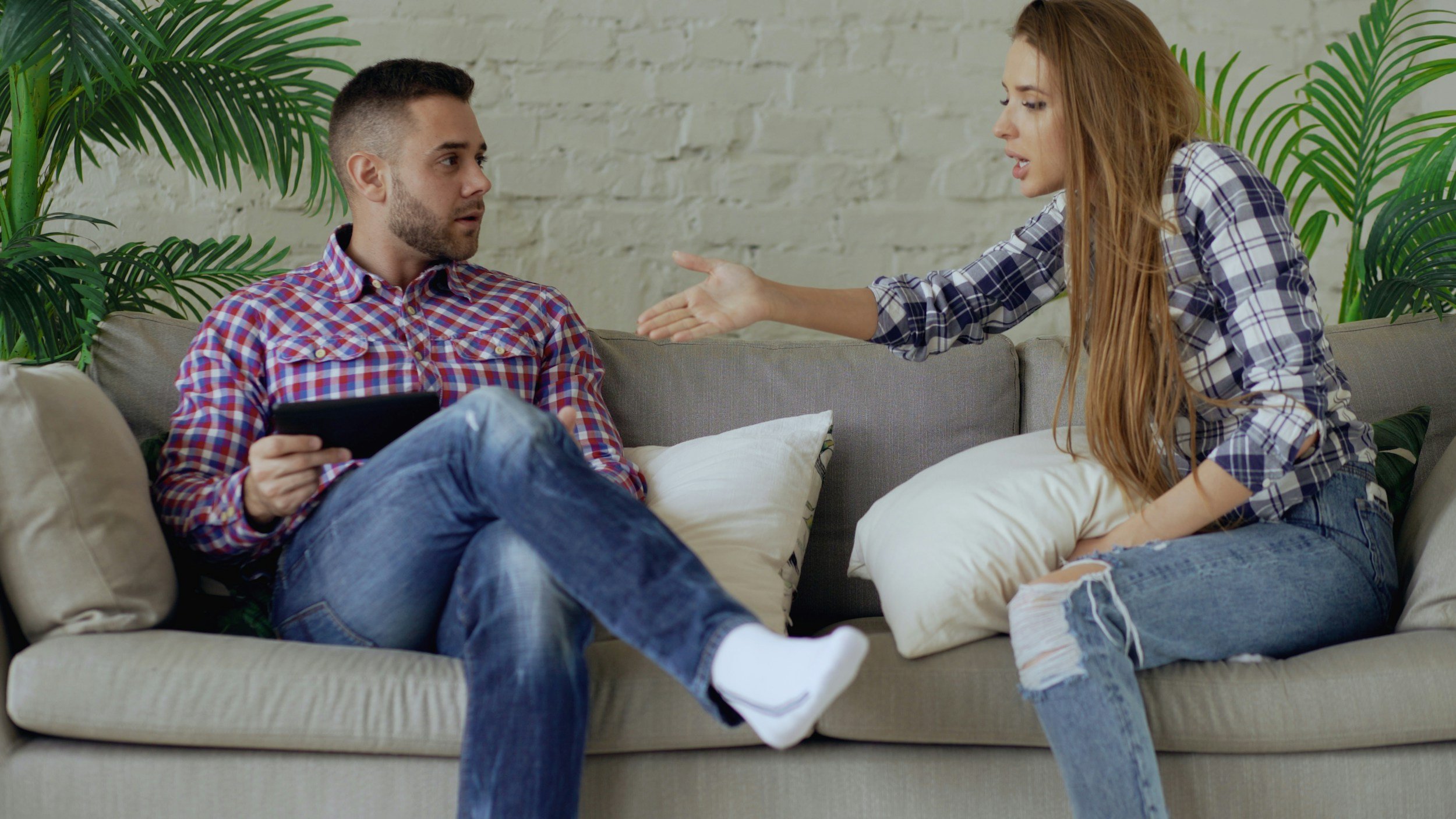
We naturally tend to attribute our emotions to the people around us. Someone criticizes us, and we feel hurt. Someone forgets our birthday, and we feel disappointed. Someone we love says something kind, and we feel happy.
Because another person's behavior and our emotional response happen so closely together, it's easy to conclude that they caused the emotion.
But that's only part of the story.
Emotions arise from our own bodies, brains, experiences, genetics, and personal histories. Another person's behavior may be the catalyst for a particular feeling, but the emotion itself belongs to us.
Taking this view of emotions invites us to take radical responsibility for our own emotional experience. It changes how we understand ourselves, how we manage our emotions, and how we interact with the people we love. It brings clarity to our relationships — and to ourselves.
What Does Emotional Responsibility Look Like?

When we take responsibility for our emotions, our initial reactions don't necessarily change.
If a careless driver were to t-bone my car, I’d still feel enraged.
The emotion isn't wrong. But taking responsibility for my emotions changes what I do next.
Because I accept that emotion belongs to me:
I respond to the other driver without directing my rage at them.
I tend to my rage internally. I notice it. I listen to it. I calm it. And I hear what it's advocating for.
Rage is an intense form of anger. It may be telling me that what happened was not okay and that I need to advocate for myself.
I determine how I want to manage the situation with intention.
I can communicate my concerns clearly without allowing my emotions to trigger defensiveness or anger in someone else.
The event happened to me. The emotion belongs to me. My response is my responsibility.
Taking Responsibility Does Not Mean Ignoring Your Feelings
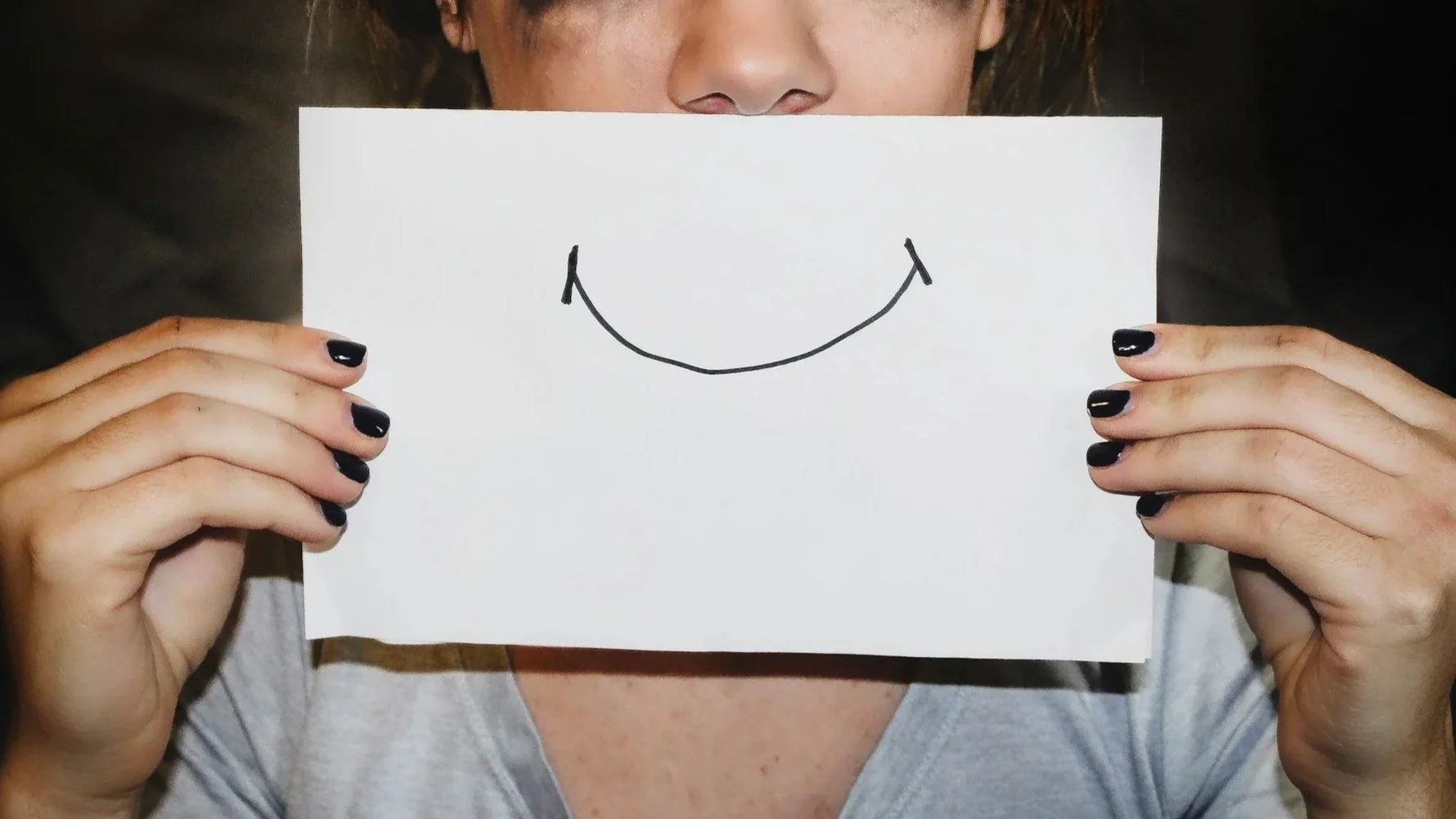
In fact, it's the opposite. Taking responsibility for your emotions requires you to pay closer attention to them — not less.
When we blame someone else for our emotions, we often stop exploring them.
When we own them, we become curious.
What am I actually feeling?
Why did this affect me so deeply?
What is this emotion trying to tell me?
What do I need?
Taking responsibility for your emotions doesn't make them smaller. It helps you understand them more clearly.
How Emotional Responsibility Changes Marriage
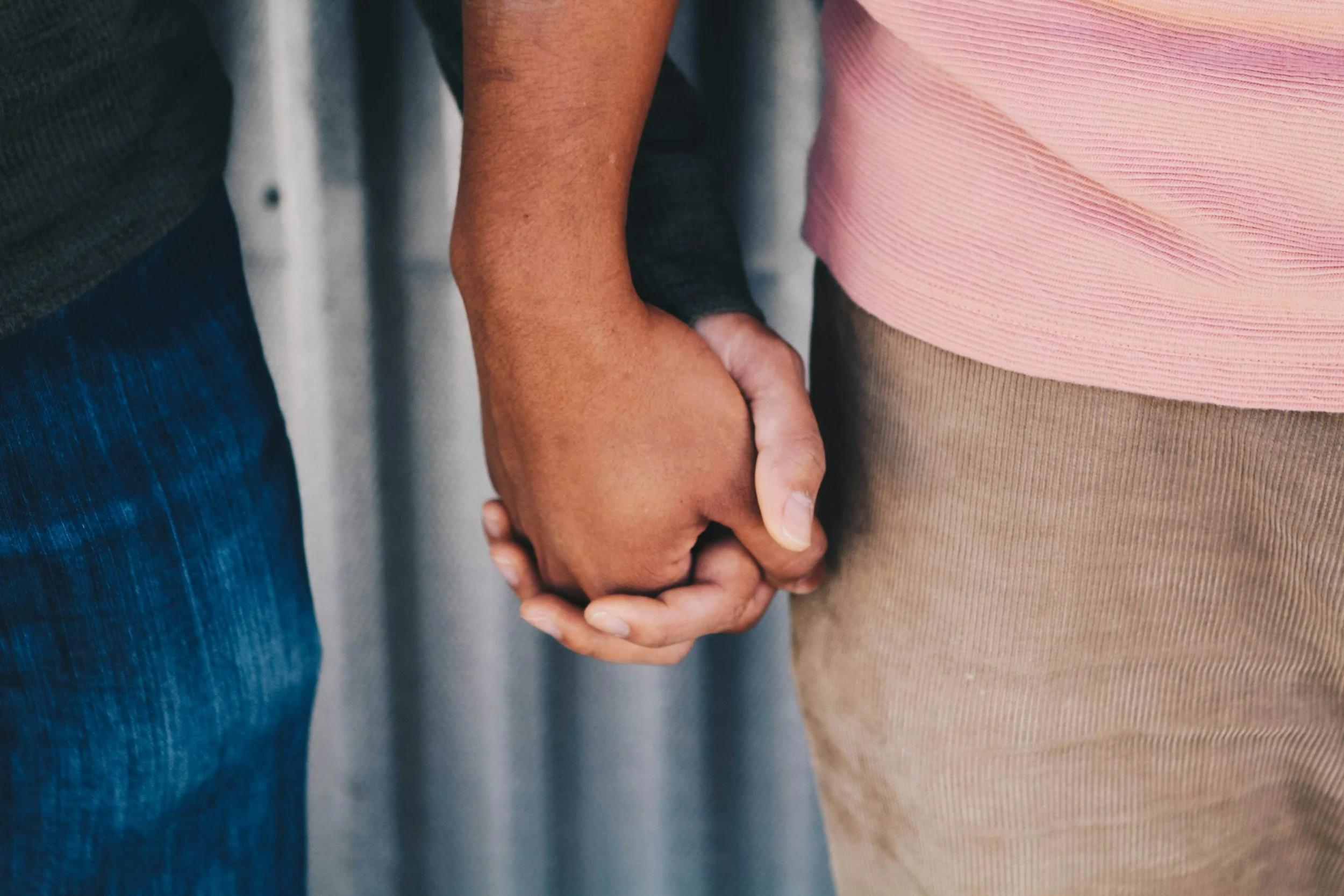
When we learn to take responsibility for our emotions, we can communicate with our partners without the blame and criticism that so often trigger defensiveness.
Instead of saying…
"You're driving me crazy."
"You're hurting me."
"You don't care about me."
…you might begin with,
"I'm struggling."
"I'm frustrated about the laundry."
"I really want our home to feel clean and organized, and I'm feeling overwhelmed that it doesn't right now."
The conversation becomes about your emotional experience rather than your partner's shortcomings.
Your partner may still want to solve the problem. They may even react defensively. But you haven't blamed them for the piled-up laundry. The laundry isn't actually the problem. Your emotional reaction to the laundry is.
Now you’re approaching the problem as teammates instead of opponents. This opens the door for a conversation about how to share responsibilities differently.
Emotional Responsibility Isn't a Communication Trick

Being angry with your partner because they never do the laundry is still going to come through in your tone, your body language, and your responses if you haven't truly made the shift.
You can change your words. You can't fake your beliefs. Whether you say it directly or not, your partner will still sense that you’re blaming them. They'll still become defensive.
Once you genuinely take ownership of your emotions, something else changes. Your tone shifts. Your understanding shifts. Your breathing shifts. Your power shifts. You can be vulnerable and connected because you’re no longer trying to make your partner responsible for your emotional experience. You’re dealing with your own emotions.
When you take back your own power in this way, you become more capable of being soft, kind, clear, open, direct, authentic, and loving. This often invites your partner to lean in rather than defend. And even if they don't, you still have clarity about your choices.
What If My Partner Doesn't Change?

If your partner doesn't want to do the laundry, cook dinner, have children, curb their spending, or give up pornography, you have choices.
You can accept the way things are.
You can ask them to change.
You can decide that you cannot remain in a relationship with someone who cannot or will not make those changes.
But when you take responsibility for your emotions, that decision comes from understanding rather than blame. From love rather than anger.
The subtle switch here is that if you decide to leave, it will be your decision. You won't be "forced out" by another person's behavior. It will be because you don't want to live with that behavior. Both the responsibility and the power of that choice belong to you.
That doesn't necessarily make difficult decisions easier. It does make them clearer.
It's also important to recognize that taking responsibility for your emotions does not mean accepting abuse, manipulation, or harmful behavior. Every person is responsible for their own actions. Taking ownership of your emotional experience simply allows you to make thoughtful decisions about what you will and won't accept.
Choosing How We Show Up

Learning to take responsibility for your emotions doesn't change the reality that other people can disappoint you, hurt you, or make choices you don't understand. It doesn't eliminate conflict or guarantee that relationships will work out the way you hope.
What it does change is you. When you stop making someone else responsible for your emotional experience, you stop giving away your power. You become better able to understand what you’re feeling, communicate it clearly, and make thoughtful decisions about how you want to respond.
Sometimes those decisions bring people closer together. Sometimes they lead you to set boundaries. Sometimes they lead you to leave a relationship that no longer aligns with your values or needs. Whatever you choose, the decision comes from a place of clarity rather than blame.
That doesn't make difficult situations easy. But it does allow you to approach them with greater intention, authenticity, and compassion — for both yourself and the people around you.
When Therapy Can Help
Taking responsibility for your emotions is often easier to understand than it is to practice.
Many of us learned patterns of blame, defensiveness, or emotional reactivity long before we recognized them. Changing those patterns takes awareness, practice, and often the support of another person who can help us see ourselves more clearly.
Therapy provides a space to better understand your emotional responses, identify the beliefs and experiences shaping them, and learn healthier ways to communicate and connect with the people you love.
Whether you're navigating relationship conflict, recurring arguments, or finding yourself stuck in cycles of blame, defensiveness, or emotional reactivity, therapy can help. Working with a therapist can help you better understand your emotional responses, strengthen your ability to regulate them, and develop healthier ways of communicating with the people you love.
At Wasatch Family Therapy, our therapists work with individuals and couples to better understand their emotions, improve communication, and build healthier relationships. If you're ready to begin that work, we'd be honored to support you. Contact us today to schedule an appointment.