Dreading Your Next Family Gathering? How to Handle Difficult Family Dynamics

Family reunion season is here. For many people, that means barbecues, long conversations, and time with extended family. For others, family gatherings bring stress, tension, and a quiet sense of dread.
Utah in particular is known for large families and a strong cultural value of togetherness. While those gatherings can be deeply meaningful, they can also bring stress, anxiety, and complicated family dynamics.
If you’ve ever thought, “Why do I feel like a different person around my family?” you’re not alone. Many people seeking therapy share this exact experience. You might feel calm and grounded in your everyday life, but when you’re around family, something shifts.
The good news is this. You can’t control your family, but you can change how you show up. And that can make a bigger difference than you might expect.
If family gatherings leave you feeling anxious, overwhelmed, or emotionally drained, you're not alone. Family relationships often bring old patterns, expectations, and emotional memories to the surface. Learning to recognize your triggers, set healthy boundaries, and focus on what you can control can help family gatherings feel more manageable.
Why Family Gatherings Can Feel So Stressful

Family relationships are usually the longest and most complex relationships we have. They are filled with history, expectations, and emotional memories.
When you walk into a family gathering, you’re not just showing up as the person you are today. You’re also stepping back into a system that has known you for years.
That means old roles, habits, and emotions can come back quickly. You might find yourself feeling defensive, shutting down, over-explaining, or trying to keep the peace. It’s not that you’ve gone backward, but being in an old environment can often bring those old patterns out.
Why Family Roles Follow You Into Adulthood
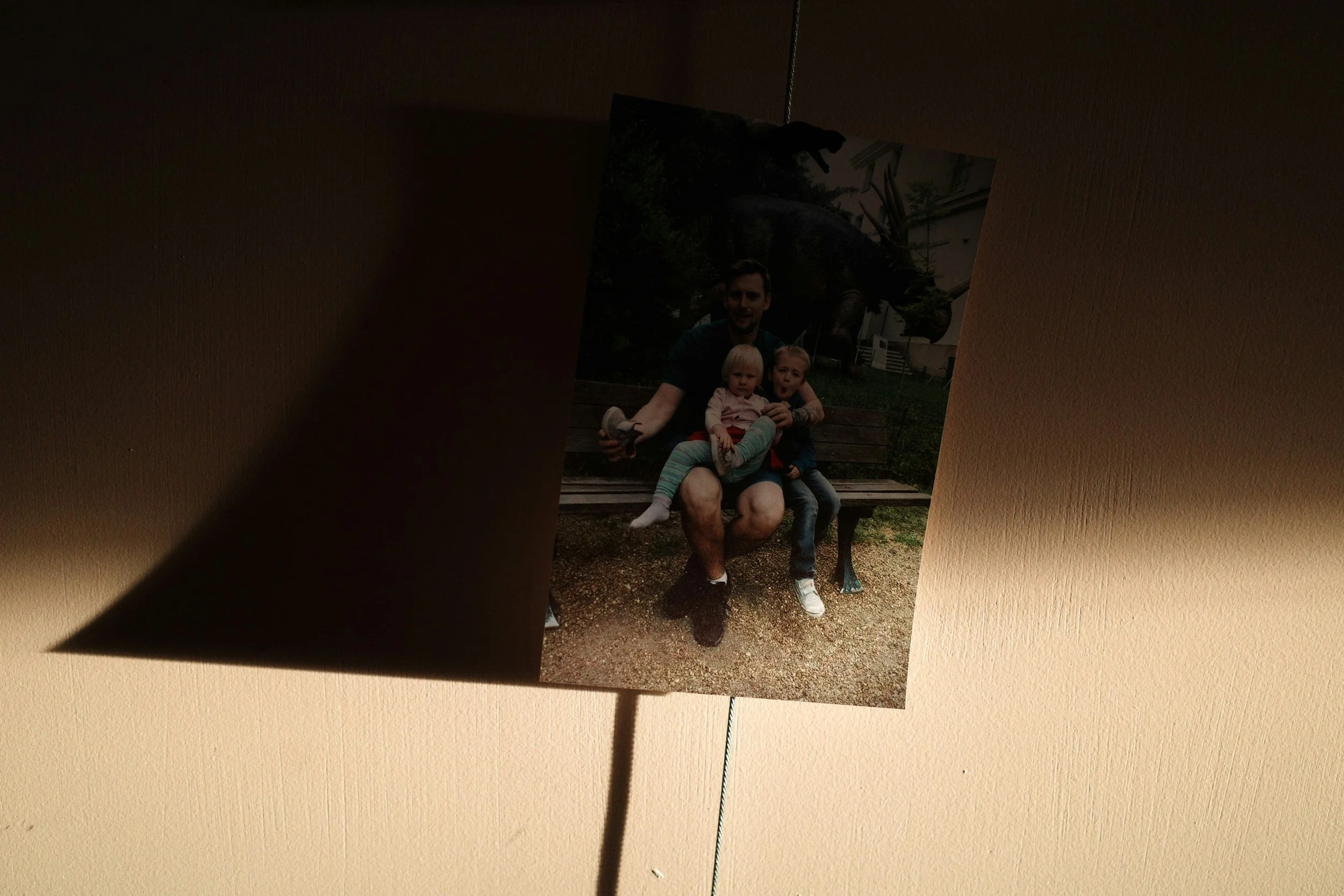
Most families develop unspoken roles over time. You might be the responsible one, the peacemaker, the funny one, or the one who causes tension. These roles often start in childhood and can stick with us into adulthood.
Some people may enjoy the familiarity of the old role or pattern, but it can also bring up difficult emotions or create conflicts with spouses, partners, or others new to the family system.
When you’re around family, it’s easy to slip back into that role without even realizing it. You might feel pressure to act a certain way or respond in ways that don’t fully match who you are now.
Reflecting on and understanding this can be freeing. It means nothing is wrong with you. You’re just responding to a familiar system.
Step One: Know Your Triggers Before You Walk In

A trigger is anything that brings up a strong emotional reaction. It could be a comment, a tone of voice, or a specific topic. During family gatherings, triggers often come from old relationship patterns rather than what is happening in the moment. Sometimes the intensity of your reaction has less to do with what's happening in the present and more to do with what the situation reminds you of.
Common triggers at family gatherings include questions about your job, relationships, or life choices, feeling criticized or compared to others, or being talked over or not listened to.
One of the most helpful things you can do is prepare ahead of time. Before your next gathering, take a few minutes to ask yourself, “What usually sets me off?” When you know your triggers ahead of time, you’re less likely to be caught off guard.
Step Two: Set Boundaries Without Making It a Big Deal

Boundaries are one of the most important tools you can use and one of the most misunderstood. A boundary is not about controlling other people. It’s about deciding what you will and won’t engage in.
You don’t need to make a big announcement or create conflict. Often, simple and calm responses are enough.
Here are a few examples:
“I’d rather not get into that today.”
“I’m going to change the subject.”
“I’m going to step outside for a minute.”
You can also set boundaries with your actions. You might choose to take a break when things feel overwhelming, limit how long you stay, or avoid certain conversations. Boundaries don’t have to be dramatic. Small, consistent choices can protect your energy.
Step Three: Stop Playing the Role You Were Assigned

You don’t have to keep playing the role your family expects from you.
This can feel uncomfortable at first. When you change your behavior, other people may notice. They might even push back. But growth often looks like doing something different, even when it feels unfamiliar.
If you’re usually the one who fixes everything, try stepping back. If you tend to over-explain, practice saying less. If you avoid conflict, try calmly expressing your thoughts.
Instead of reacting automatically, ask yourself, how do I want to show up right now? This shifts you from reacting to choosing.
Step Four: Regulate Your Nervous System in Real Time

Family gatherings can be emotionally intense. When your body feels overwhelmed, it’s harder to think clearly or respond in a way you feel good about.
That’s why it’s important to have a few simple tools to calm your body.
You might try slow breathing by inhaling for four seconds and exhaling for six. You can also try grounding by noticing five things you can see, four you can feel, and three you can hear. Taking space can also help, whether that means stepping outside, going to the bathroom, or taking a short walk.
These tools help calm your nervous system so your thinking brain can come back online. Creating even a brief pause between the trigger and your response can make a big difference.
For some extra help on creating and practicing that pause between trigger and response, check out this article from my favorite ACT therapist, Dr. Russ Harris.
Step Five: Let Go of What You Can’t Control

One of the most freeing mindset shifts is accepting what you can’t control.
You can’t control what other people say, how they see you, or whether they change. But you can control how you respond, whether you engage in a conversation, and how long you stay.
Many people get pulled into arguments or emotional tension because they’re trying to change someone else’s behavior. Instead, imagine letting go of that struggle. You don’t have to convince, fix, or prove anything. You can choose where to put your energy.
Redefine What Success Looks Like

It’s common to go into family gatherings hoping things will be different this time, especially if you’ve done a lot of work on yourself. Sometimes they are. But often, people behave in familiar ways and that doesn't mean the gathering was a failure.
Healing often looks different than we expect. Success doesn’t have to mean everything went perfectly. It can mean you noticed your triggers, you set a boundary, or you responded differently than you usually do. Success can mean you showed up and had one good conversation with a person who felt safe.
Small changes and adjusted expectations can lead to a very different outcome of how you experience your family.
Connection Usually Isn’t Convenient

As you think about boundaries, it can also be helpful to consider your values. For many people family and relationships matter deeply. Desiring connection, belonging, or a sense of community is healthy but often comes with some personal sacrifice.
Connection usually isn’t convenient and building community is not always comfortable. It often requires effort, flexibility, and a willingness to stay present even when things feel a little awkward or imperfect.
Boundaries are not meant to cut you off from others. They are meant to help you stay connected in a healthier way. The goal is not to avoid all discomfort, but to protect yourself from harm while still making space for the relationships that matter to you.
You can hold both at the same time. You can take care of yourself and stay open to connection.
When It’s Okay to Leave or Limit Contact

Some family gatherings are simply overwhelming. Others may feel emotionally unsafe or draining. It’s okay to take care of yourself.
That might look like leaving earlier than planned, taking longer breaks during the event, or deciding not to attend certain gatherings. Sometimes the healthiest boundary is recognizing that a gathering isn't emotionally safe for you.
Taking space is not selfish. Protecting your mental health is not the same as rejecting your family. It is a way of caring for yourself while honoring what you need.
Finding a Healthy Balance with Family
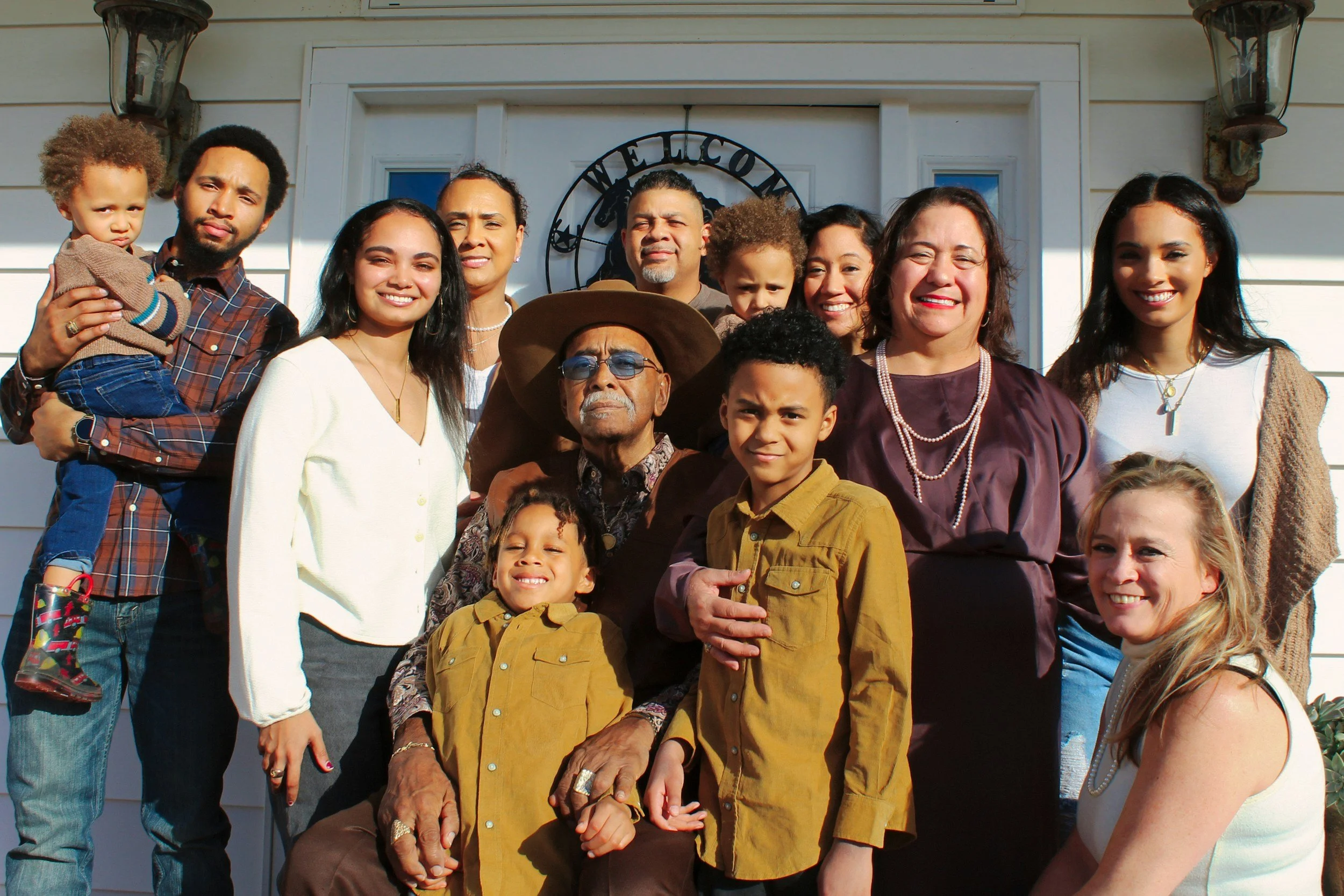
Family gatherings can be meaningful, but they can also be very challenging. Finding the right balance of family involvement can take time and a lot of reflection. It will look different for each person, even within the same family.
You don't have to get it perfect, and you may need some help deciding what feels healthy for you. Every family system is different. There isn't one "right" way to navigate difficult family relationships. The goal is to find an approach that aligns with your values while protecting your emotional well-being.
If you're unsure or want support navigating tricky family dynamics, working with a therapist can help you sort through those emotions and decisions.
When you understand your triggers, set boundaries, and focus on your own values and what you can control, family gatherings can feel more manageable and perhaps even more enjoyable. Good luck out there!
How Wasatch Family Therapy Can Help
You don't have to navigate difficult family relationships on your own. Individual therapy can help you better understand your triggers, break old relationship patterns, set healthy boundaries, and feel more prepared for family gatherings.
If your family is willing to participate, family therapy can also be a powerful way to improve communication, repair relationships, and create healthier patterns together.
At Wasatch Family Therapy, our therapists help individuals, couples, and families navigate family conflict, relationship challenges, anxiety, and life transitions. If you're ready to feel more confident in your family relationships, we'd love to help. Contact Wasatch Family Therapy today to schedule an appointment at our Sandy, Farmington, or Lehi office.