6 Signs that You’re Healing (Even If Life Still Feels Hard)
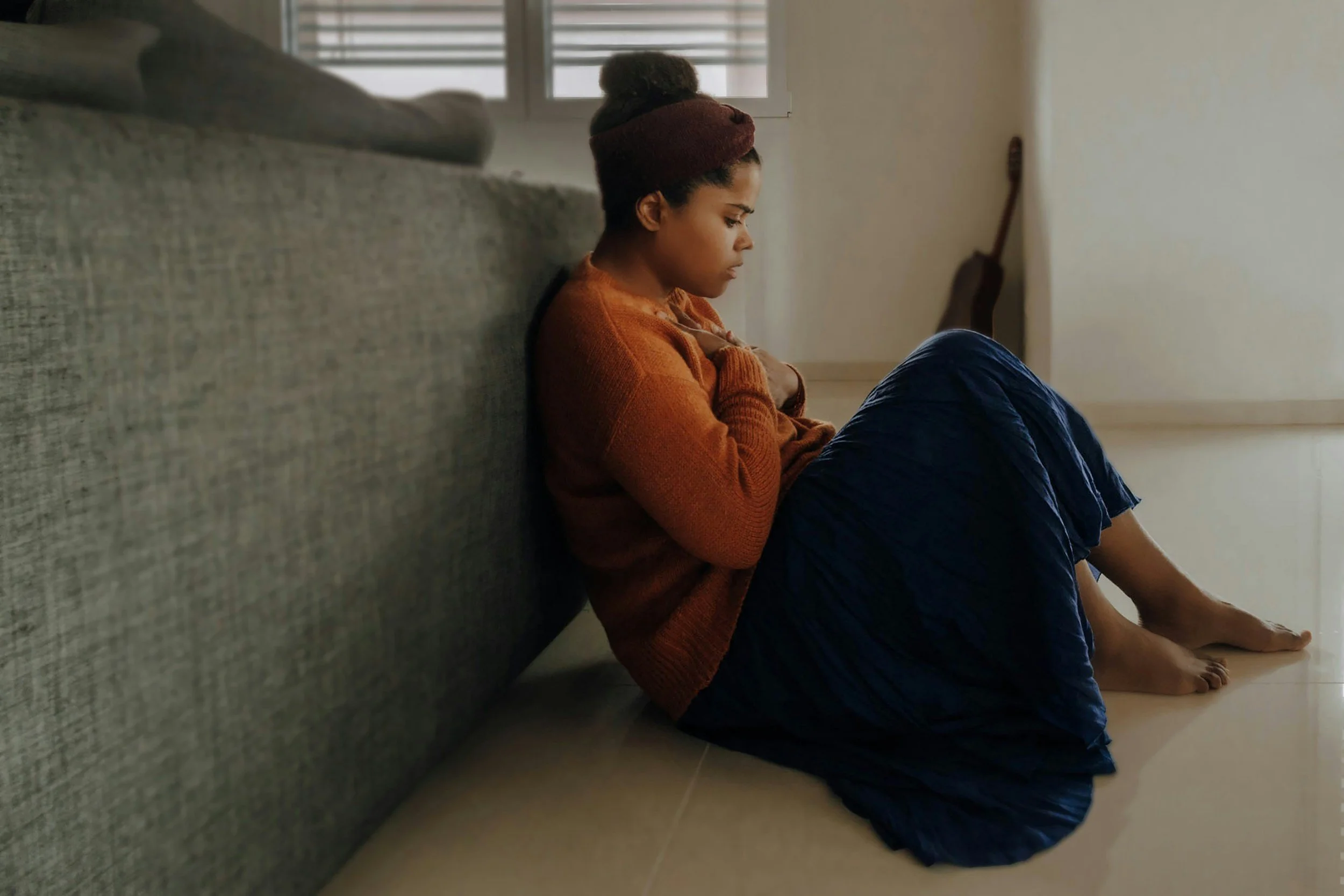
What does healing actually look like?
Many of us imagine being truly healed means that life will eventually stop feeling so hard. We will stop struggling emotionally. We will finally feel confident, calm, secure, and happy all the time.
When we continue to feel anxious, overwhelmed, sad, lonely, triggered, or exhausted, it is easy to assume we must be doing something wrong.
But healing does not stop us from being human.
More often, healing looks quieter than we expect. It looks like learning how to move through life’s challenges differently, becoming more compassionate with ourselves, more honest, more resilient, more connected.
It looks less like never struggling again and more like learning how to stop abandoning ourselves when we do struggle.
This life lesson took me a long time to learn.
Rethinking What Healing Actually Means
After spending the first 26 years of my life as a devout member of the Church of Jesus Christ of Latter-day Saints in Utah, I came out as a member of the LGBTQ+ community. It was a harrowing experience but I was constantly told, “It gets better.”
At the time, I desperately wanted to believe that was true. In the years that followed, I periodically reflected on all the ways I was still struggling and how life did not actually feel easier.
Eventually, I started to feel cheated by the promise that things would simply “get better.” I wondered why I still felt hurt, overwhelmed, lonely, or exhausted at times. I wondered why healing did not feel more complete.
Then one day, a thought struck me:
Maybe it does not get better. Maybe it just gets different.
At first glance, that idea can sound cynical. But for me, it was surprisingly liberating.
The phrase “It gets better” often made me feel like I was waiting for something – waiting for the struggle to end so I could finally start fully living my life.
Maybe you have felt that too. Maybe you are waiting to graduate, find the right relationship, get married, leave a difficult situation, lose weight, heal from heartbreak, get the promotion, or finally feel confident enough to enjoy your life.
So many of us live with the belief that happiness exists just beyond the next obstacle. When I think about this mindset, I picture hiking up a mountain believing that once I reach the top, the rest of the journey will finally become easy.
Real life never works that way, though. There is no shortage of “mountains” to climb in life and they do not disappear forever when we get to the top. Once we conquer one mountain, we may reach a plateau, but inevitably another mountain appears.
There is always another challenge. Another transition. Another grief. Another season of uncertainty.
It reminds me of Miley Cyrus’ 2009 song The Climb.
There's always gonna be another mountain
I'm always gonna wanna make it move
Always gonna be an uphill battle
Sometimes I'm gonna have to lose
Ain't about how fast I get there
Ain't about what's waiting on the other side
It's the climb
Healing is not finally arriving at a version of life where nothing hurts. Healing is learning how to climb differently - pacing ourselves and resting all along the way.
We assume that if we are truly healed, we will stop struggling. We will no longer feel anxious, triggered, insecure, sad, lonely, angry, or overwhelmed. But emotionally healthy people still experience pain, grief, rejection, disappointment, and fear; that is the nature of being a human.
The difference is not that they never struggle. The difference is how they respond to struggle.
Healing is not about never falling apart. Healing is about learning how to recover with greater self-awareness, compassion, and support. Most healing happens quietly through small shifts that are easy to overlook.
Signs You May Be Healing Even If You Still Struggle

Because healing often looks different than we expect, it can sometimes be difficult to recognize while it is happening but even when we still struggle, there are often signs that we are healing.
1. You bounce back from hard moments more quickly
Healing does not mean painful emotions disappear; painful emotions are a natural part of being human. You will still find yourself feeling anxious, rejected, overwhelmed, or hurt but instead of staying stuck there for weeks, you begin finding your footing more quickly.
You start trusting that emotions are temporary experiences instead of permanent realities.
2. You are becoming kinder to yourself
Many of us speak to ourselves in ways we would never speak to someone we love. Part of healing is learning how to replace constant self-criticism with compassion. Not perfection. Not avoiding accountability. Just compassion.
Instead of believing every mistake means something is wrong with you, you begin responding to yourself with more patience and understanding.
3. You stop sacrificing yourself to keep others comfortable
One subtle sign of healing is a shift in boundaries. You may become more honest about your needs, more willing to say no, or less tolerant of relationships that leave you feeling emotionally unsafe.
For many people, healing includes realizing that constantly sacrificing yourself for the comfort or approval of others is not sustainable.
4. You are avoiding your emotions less often
Avoidance can look like overworking, staying busy all the time, endlessly scrolling online, shutting down emotionally, or distracting ourselves from difficult feelings.
Over time, we may become more capable of sitting with discomfort instead of immediately running from it. That can feel scary at first. But emotional resilience grows when we allow ourselves to acknowledge and make space for our emotions instead of suppressing them.
5. You feel more comfortable being yourself
For people navigating identity changes, faith transitions, or coming out, healing often includes reconnecting with authenticity.
You may feel less pressure to perform for others and more freedom to simply be yourself. Healing can involve becoming more aligned with your values, your identity, and the parts of yourself you have hidden for years.
6. Everyday life feels more sustainable
Instead of constantly pushing yourself to the point of exhaustion, you begin caring for yourself in ways that help you move through life with more balance, support, and self-awareness.
Healing involves learning how to consistently care for our physical, emotional, relational, and spiritual wellbeing rather than only taking care of ourselves when we are already overwhelmed. That might look like:
Getting enough sleep
Staying connected to supportive people
Resting without guilt
Making space for joy even during difficult seasons
Healing Can Still Include Setbacks and Difficult Seasons
One of the most frustrating parts of healing is realizing that growth is not a straight line. Some weeks you may feel grounded and hopeful. Other weeks old wounds suddenly resurface.
That does not mean you are failing. Sometimes healing looks like revisiting old pain with new tools, new insight, and more support than you had before.
Difficult seasons do not erase your progress. Healing is less about never struggling again and more about learning how to move through struggle differently than you used to.
Final Thoughts

More often than not, healing looks quiet and gradual. It looks like responding differently than we used to, with more compassion, honesty, rest, and support. It looks like continuing to show up for ourselves, even during difficult seasons.
Life still includes grief, uncertainty, disappointment, and stress. The difference is that healing changes the way we move through those experiences. Over time, we become more self-aware, more emotionally resilient, and more capable of caring for ourselves through difficult moments.
If you are still struggling sometimes, that does not mean you are failing. Growth is not linear and healing often happens in ways that are easy to overlook while we are living through it.
At Wasatch Family Therapy, we know how difficult it can be to navigate anxiety, trauma, relationship challenges, identity exploration, faith transitions, and major life changes alone. Therapy can provide a space to better understand yourself, build emotional resilience, and feel more supported through life’s challenges.
If you are ready to begin healing — or continue healing — we are here to help.