Can I Participate in Pride if I’m Straight?
June is here! Which means you may be seeing more Pride flags on your street, more parades, and more rainbow swag in your favorite shops.
While Pride Month celebrates the LGBTQIA+ community, straight allies are an important part of the celebration too. Many people ask, "Can straight people go to Pride?" or "How can I support LGBTQ people during Pride Month?"
The short answer is yes—straight allies are welcome at Pride. The key is showing up with respect, support, and a willingness to learn.
If that's you, here are a few things to keep in mind.
Carry the Bag: Support Without Centering Yourself
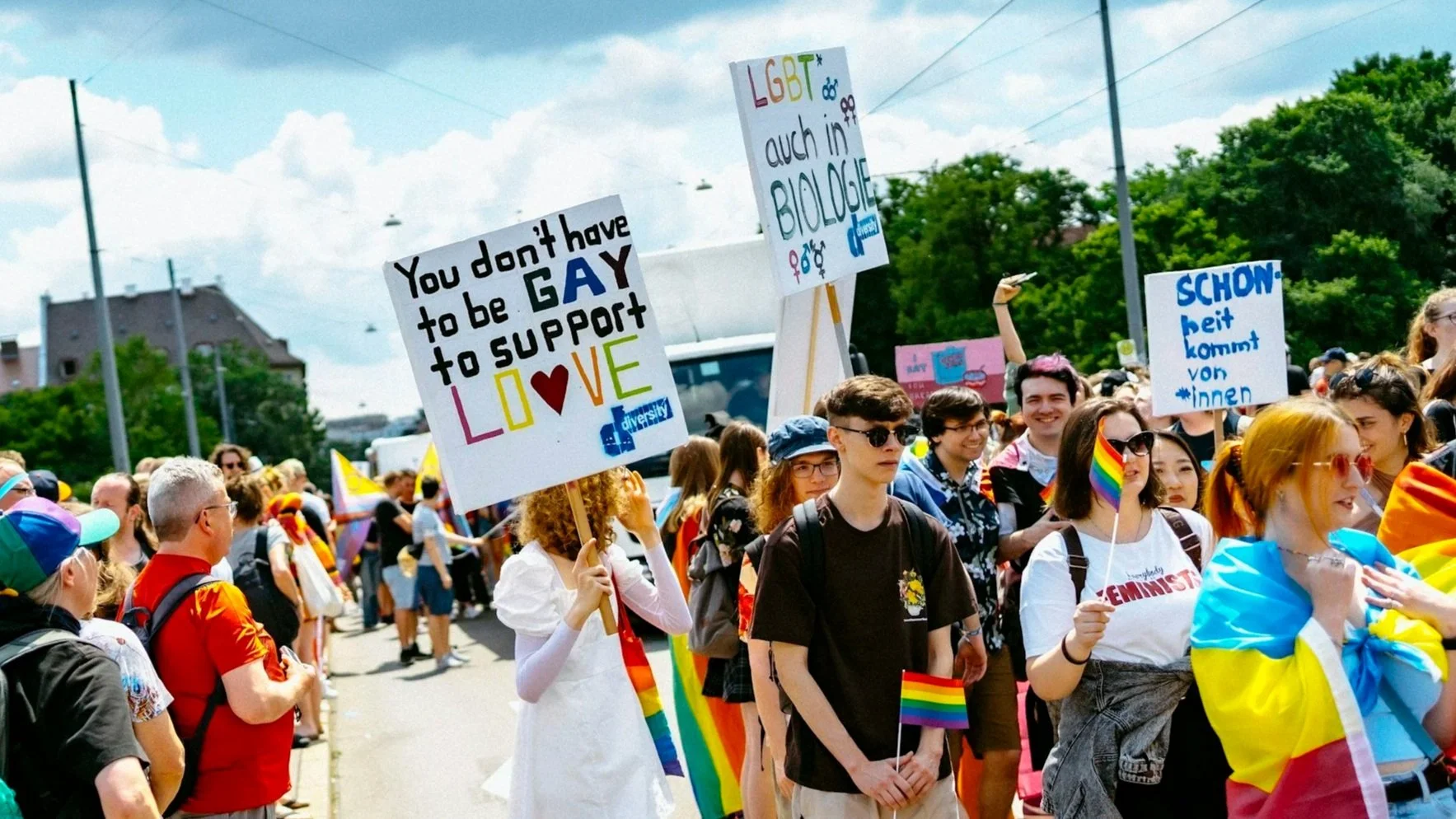
What I mean by that is support from behind, rather than centering your own experience.
Pride is about hearing from people whose voices have historically been marginalized. Being mindful not to make the experience about you or your perspective is an important part of allyship.
Don't get me wrong—your voice matters. But during Pride Month, your presence and supportive influence are often the most meaningful contribution.
As a straight ally at Pride, your role is to stand in solidarity with LGBTQIA+ folx, amplify their voices, and celebrate the queer people in your community.
A few ways to do that include:
Hanging a Pride flag at your home or business
Supporting LGBTQ-owned businesses
Volunteering at Pride events
Helping with setup and cleanup at parades or community gatherings
Passing out water or supplies at outdoor events
Donating to organizations that support LGBTQ youth and adults
Small acts of support can go a long way.
Educate Yourself and Listen
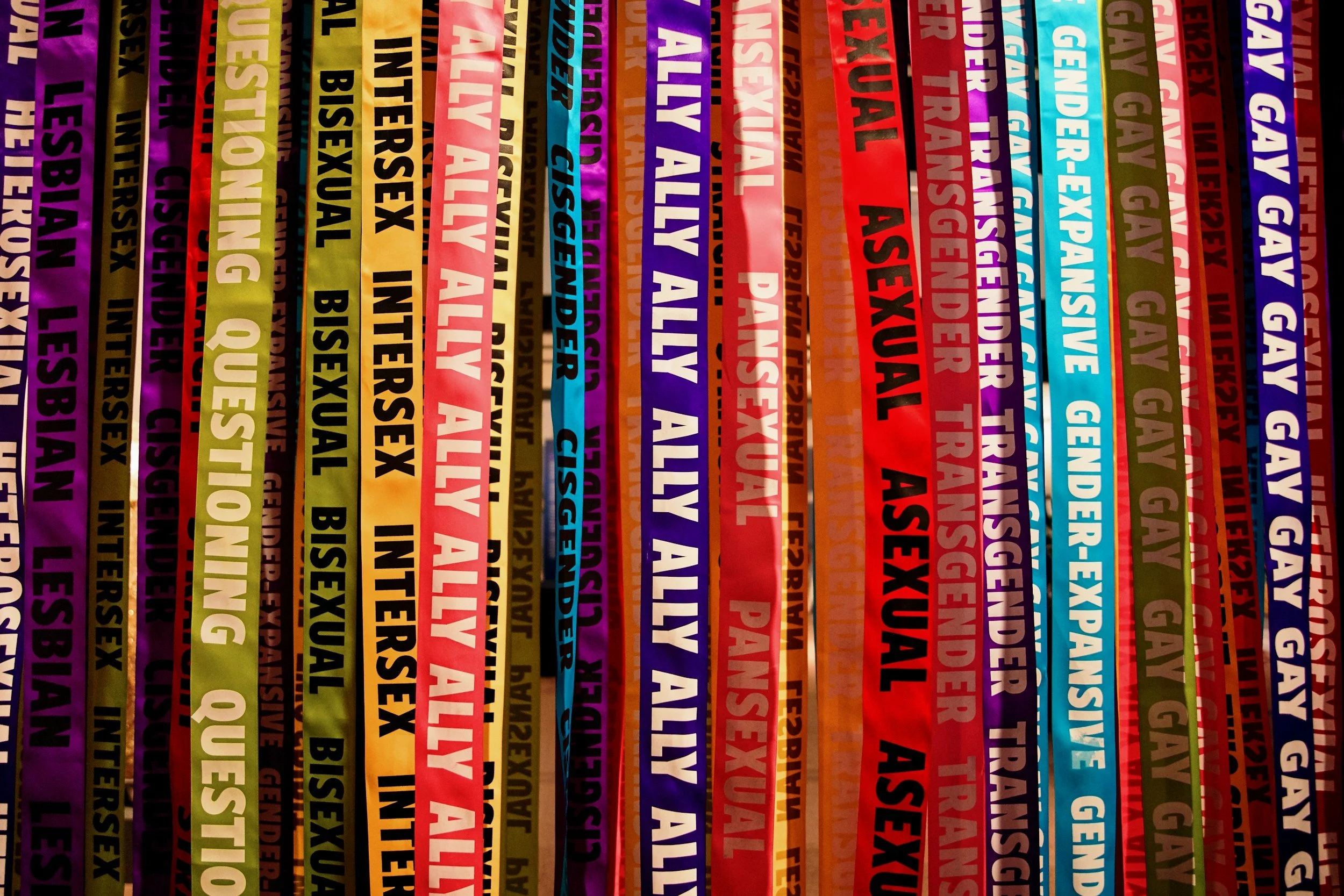
It is not the job of a queer person to explain every aspect of Pride Month, LGBTQ terminology, or identity to you.
Don't know what pansexual means? Curious about what the pink, blue, and white flag represents? Unsure about gender-neutral pronouns? Take some time to learn.
That said, it's equally important to remember that identity is personal. While understanding general definitions is helpful, individual experiences may differ.
For example, you might say:
"I know some non-binary people use gender-neutral pronouns. What pronouns do you use?"
Or:
"I know what demisexual means for some people, but can you tell me what it means for you?"
This approach helps you stay accountable for your own learning while remaining curious, respectful, and connected to the person in front of you.
Show Solidarity Every Day, Not Just During Pride Month
Pride Month is important because it highlights and celebrates the LGBTQIA+ community, but allyship doesn't end when June does.
Supporting LGBTQ people year-round is one of the most meaningful things a straight ally can do. Consider volunteering with organizations that advocate for and support queer communities.
National organizations include:
For Utah residents, local organizations include:
Whether you volunteer, donate, attend events, or advocate for inclusion in your community, consistent support matters.
What If I'm Not Sure of My Identity?

What if you're not sure you're straight?
That's completely okay. You can be any age, religion, race, gender, or background and still be figuring out what feels most authentic to you. You don't have to have everything figured out all at once. In fact, self-discovery often takes time.
Many people find that their understanding of themselves evolves throughout life. Exploring who you are doesn't require a deadline. Everything exists on a spectrum, and part of self-discovery is noticing what feels genuine for you.
This month, it might feel meaningful to:
Explore new styles of self-expression
Attend LGBTQ-friendly events
Connect with affirming communities
Learn more about identities and experiences that resonate with you
Pay attention to the feelings that arise inside you:
"Yes, this feels like me."
Or:
"No, this doesn't quite fit."
There is room for curiosity, growth, and exploration.
Why Is Pride Month Celebrated in June?
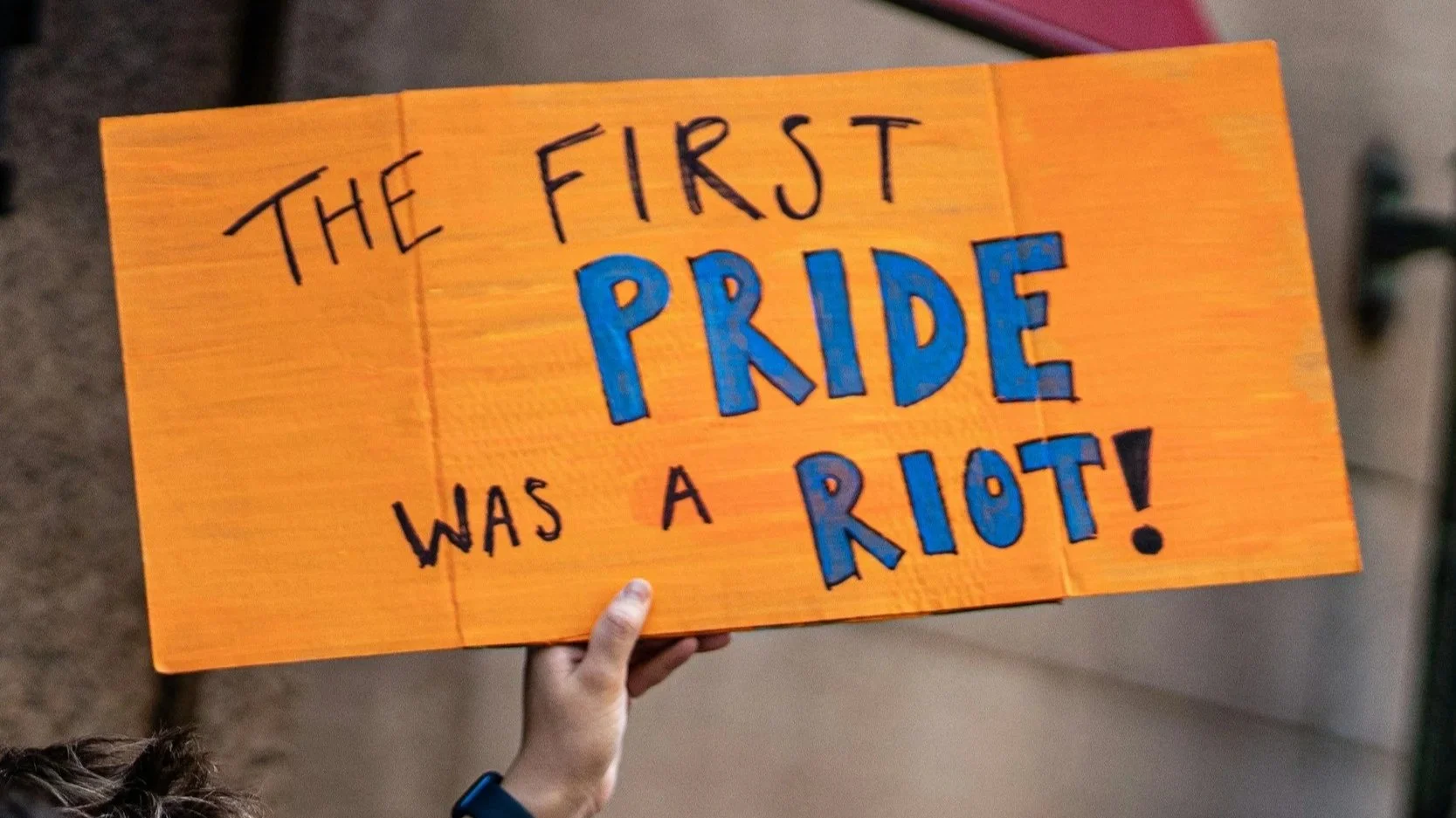
You might be wondering about the history of Pride Month. Let's go back to 1969.
That year, the Woodstock Music Festival became one of the defining moments of the counterculture era. Apollo 11 landed on the moon. And in June of that year, the Stonewall Uprising took place.
The Stonewall riots began after a police raid on the Stonewall Inn, a gay bar in New York City, on June 28, 1969. Rather than quietly dispersing, community members resisted and stood together against discrimination, harassment, and unjust treatment.
The protests lasted several days and became a powerful symbol of LGBTQ rights activism and community organizing.
Today, Pride Month is observed each June to honor that history while celebrating the resilience, contributions, and diversity of LGBTQ people.
Why Pride Still Matters Today
For many LGBTQ individuals, Pride is more than a parade or celebration. It is an opportunity to experience community, visibility, safety, and belonging.
Here in Utah and across the country, conversations continue around LGBTQ rights, healthcare access, public accommodations, athletics, and visibility. Regardless of where people stand politically or socially, every person deserves opportunities for connection, dignity, and safety.
Queer people are our children, neighbors, teachers, therapists, doctors, baristas, friends, family members, and coworkers. They are already part of our communities because they are our communities.
Whether you're attending your first Pride event as a straight ally or exploring your own identity, Pride Month can be an invitation to learn, connect, celebrate, and support one another.
Let's help make each other feel safe and supported this month—and into the future.
Finding Support Along the Way
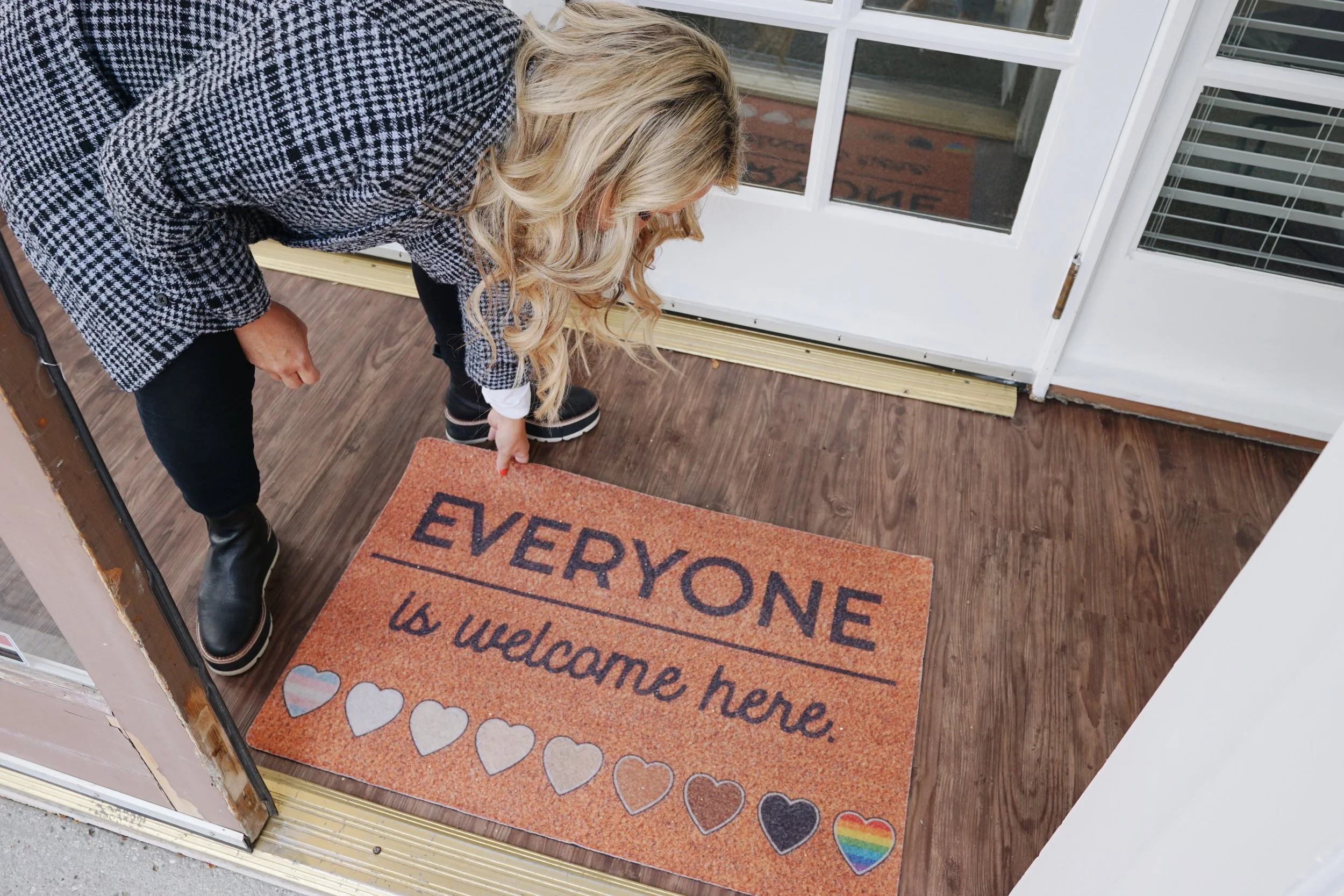
Whether you're learning how to be a supportive ally, exploring questions about your own identity, or looking for a safe place to process your experiences, you don't have to navigate it alone.
At Wasatch Family Therapy, we believe everyone deserves a space where they can feel seen, respected, and supported. Our therapists provide LGBTQ-affirming care and work with individuals, couples, teens, and families from all backgrounds. We understand that conversations about identity, relationships, belonging, and self-discovery can be both meaningful and complex.
If you're looking for support, guidance, or simply a place to talk, we're here to help.
Contact Wasatch Family Therapy today to learn more about our services or schedule an appointment. Wherever you are in your journey, you deserve compassionate support and a space to be fully yourself.