

Last summer I spent a decent amount of time at the pool reading, which led to me overhearing people's conversations. The pool is an interesting environment for a lot of people because it comes with people wearing swimsuits, getting wet, and feeling more exposed than we normally are.
Not only do we see our own body in a skin-tight suit, but we see other people's bodies as well. It creates an environment where it is easy to compare belly flatness, cellulite, skin tone, and countless other physical characteristics. Body checking is often expected as a "normal" part of the experience for many.
One day in particular, I was sitting by the pool reading and eating cucumber salad when a group of young adults came and sat in the lounge chairs next to mine. Over the course of the next hour or so, they discussed and compared bodies to those around them in their group.
It started when they all sat down and put on sunscreen. One person shared a social media post they had seen about someone who had one side of their body more exposed to the sun than the other over time and how she never wanted to look like that person's sun-exposed side.
Another person commented on how they didn't want to get wrinkly or leathery from the sun, but how they also wouldn't want to look too pale. The conversation eventually shifted to aging and what it means to "age well." They shared their fears about how they might look in the future and pointed out their own and each other's smile lines as evidence that the process had already started.
As I listened, they quickly jumped to a topic they felt they could control a little more than aging: their weight. They talked about how each of them felt fat and all of their recent and future attempts at dieting so they could stop feeling that way.
Another person compared their feet to everyone else's and pointed out how "ugly" theirs were. Soon everyone joined in, picking apart pieces of themselves that didn't measure up to the people around them. I sat next to them feeling sad.
Over the course of the next few months, I heard similar conversations from multiple different groups every time I visited the pool. There is a lot of fear that comes with living in an ever-growing and changing body that you cannot completely control. That fear was evident in the casual poolside conversations I heard last summer, but it's especially evident in conversations I have with clients.
The Pressure to Have a "Summer Body"

Summer often comes with the pressure of having a "summer body" and feeling like you need to look a certain way to be worthy of spending time at the pool, wearing summer clothing, or simply being seen. Diet culture and body image messaging tell us that our worth is tied to our appearance, and many companies profit from making us feel like our bodies are problems that need to be fixed.
Every New Year and every summer, marketing campaigns ramp up their attempts to convince us that we need to change our bodies in order to be happy, attractive, healthy, or accepted. The message is often subtle, but it is persistent.
I want to remind you that your summer body needs just as much nourishment and rest as your winter body does. Your body is not a project that needs to be completed before you are allowed to enjoy your life.
What the Research Says About Dieting and Eating Disorders
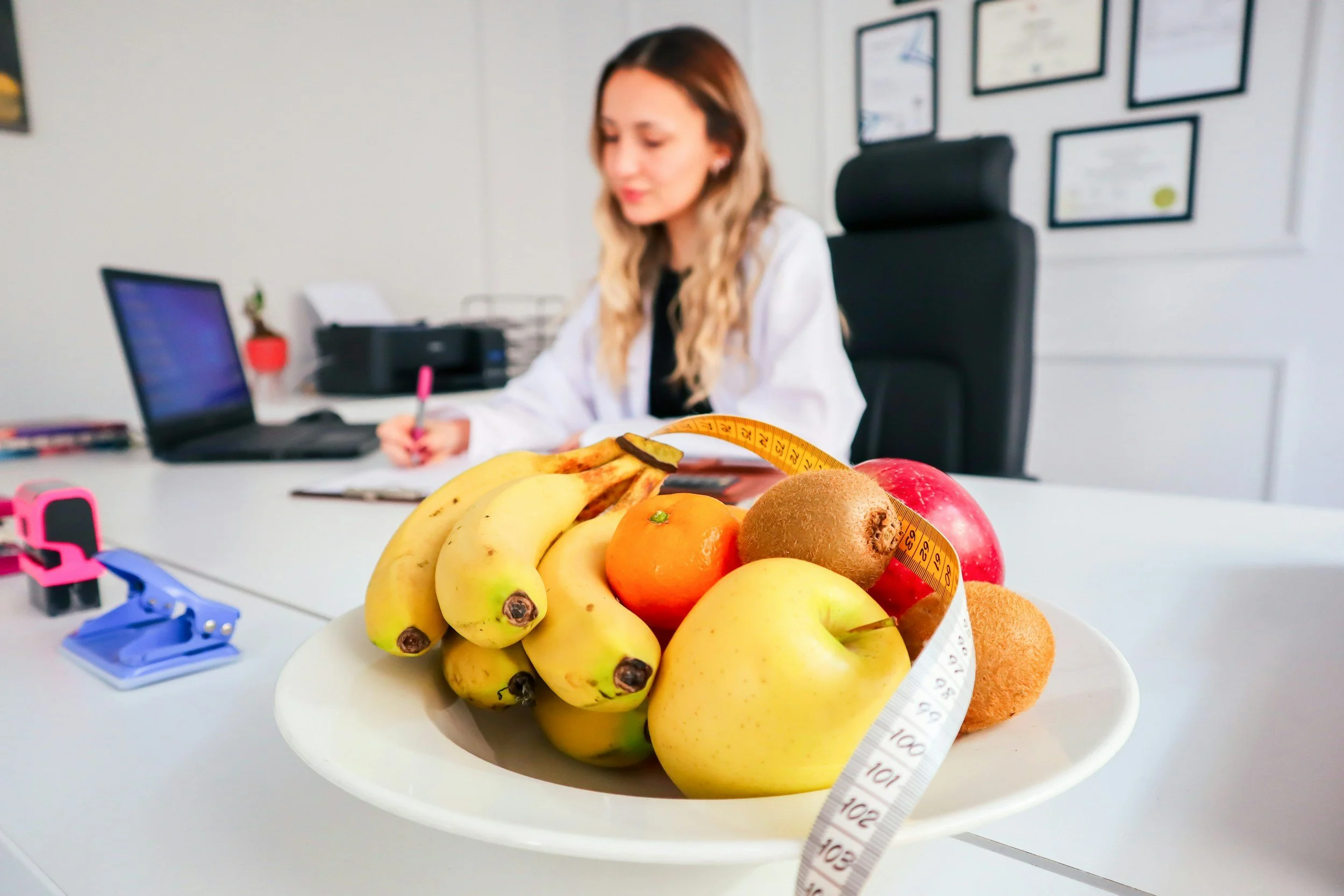
One of the most important things I want people to understand is that your body needs to be fed all year round.
Research shows that dieting increases an individual's risk of developing an eating disorder. This is important because eating disorders have one of the highest mortality rates of any mental health condition. Eating disorders and disordered eating come at a significant physical, emotional, and social cost.
Globally, more than 3.3 million healthy life years are lost each year due to eating disorders. Here in Utah, estimates suggest that approximately 9% of the population will experience an eating disorder during their lifetime.
Eating disorders do not discriminate. They affect people of different ages, genders, body sizes, and backgrounds. Unfortunately, many people struggle in silence because eating disorders are often misunderstood or overlooked.
Why Social Media Often Makes Body Image Worse
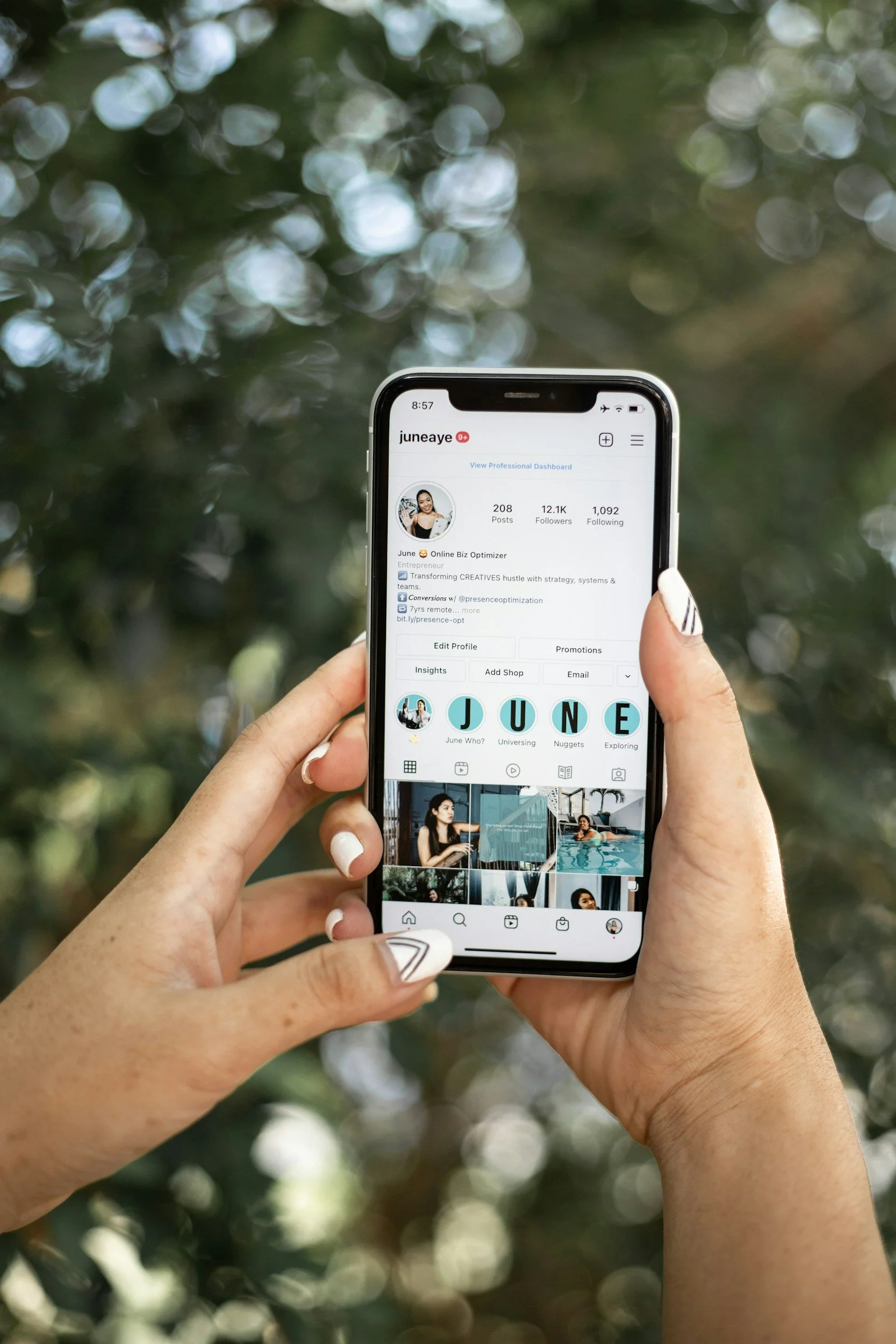
Social media is generally not a reliable source of nutrition and health information.
A recent study examining nutrition content on TikTok found that 97.9% of nutrition information was inaccurate, misleading, or unsupported by evidence. Despite this, social media continues to influence many of the health and nutrition choices people make.
Social media and body image are closely connected. Constant exposure to edited photos, unrealistic beauty standards, and unqualified health advice can make it difficult to feel at home in your own body.
Be thoughtful about where you get your health information. Whenever possible, seek guidance from qualified professionals rather than influencers whose expertise may be unclear.
Most importantly, remember that you are defined by far more than your appearance. You deserve to live fully regardless of whether you believe you meet society's beauty standards. You do not need a "summer body" to be worthy of joy this season. You are already worthy.
Building Body Image Resilience This Summer
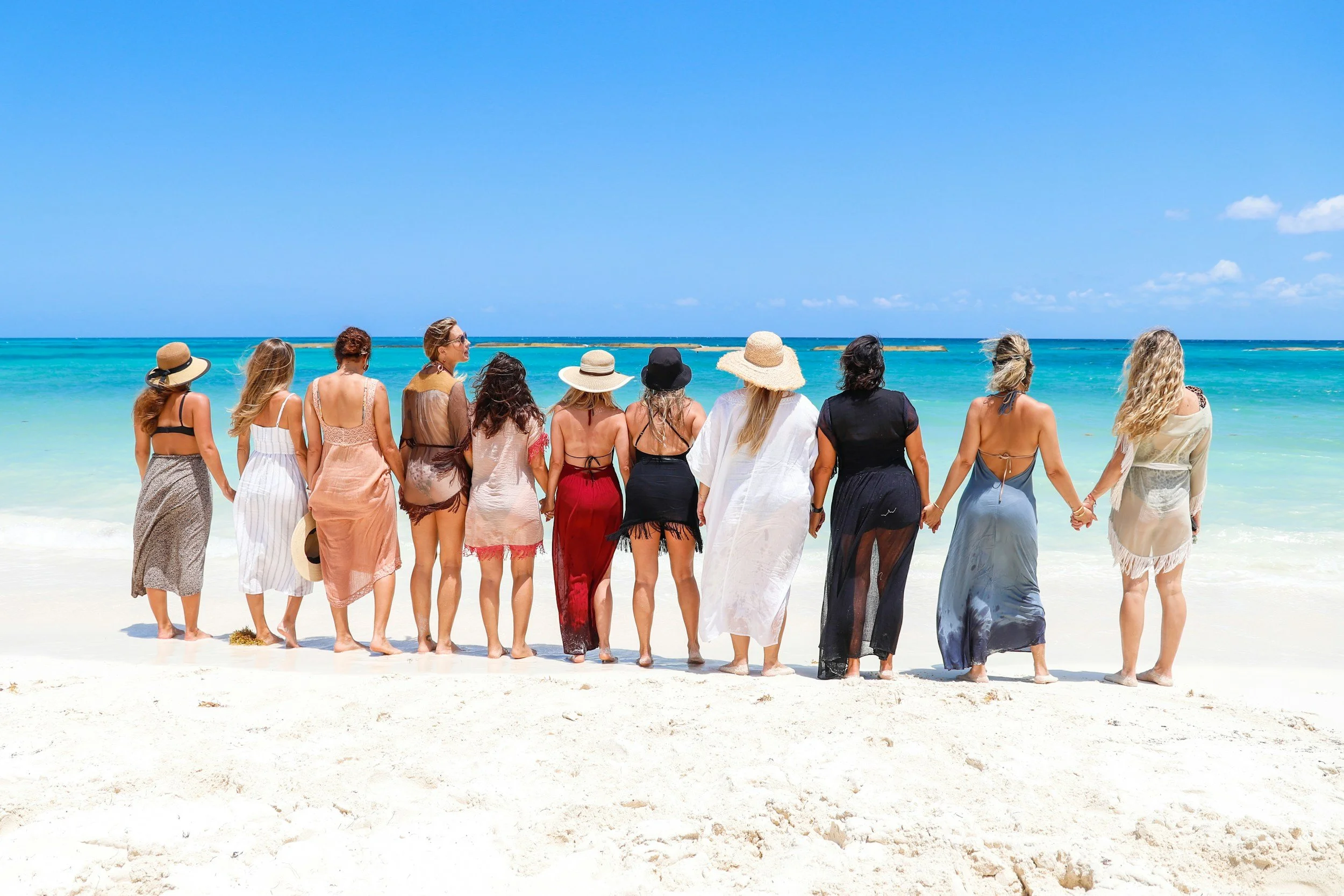
Body image resilience is something that develops over time. It is not about loving every aspect of your appearance every day. It is about building the ability to withstand comparison, criticism, unrealistic beauty standards, and the inevitable changes that come with living in a human body.
Here are a few ways to strengthen body image resilience this summer.
Read Books That Promote Body Acceptance and Health
Seek out resources that provide evidence-based information about body image, nutrition, and self-worth rather than shame-based messaging.
Some of my favorites include:
More Than a Body: Your Body Is an Instrument, Not an Ornament by Lindsay Kite, PhD, and Lexie Kite, PhD. I recommend this book if you want to learn more about the impact of media and diet culture on body image.
Nourish: How to Heal Your Relationship with Food, Body, and Self by Heidi Schauster, MS, RDN, CEDRD-S. I recommend this book if you want to learn more about nutrition from a registered dietitian in a non-shaming way.
The Body Is Not an Apology: The Power of Radical Self-Love by Sonya Renee Taylor. I recommend this book if you want to learn more about self-love and how body shame is influenced by larger social systems.
What We Don't Talk About When We Talk About Fat by Aubrey Gordon. I recommend this book if you want to challenge common assumptions about weight and examine biases that many of us have been taught.
Curate Your Social Media Feed
Review who you follow on social media and consider unfollowing accounts that make you feel worse about your body or regularly share misleading health information.
Here are a few accounts I recommend for evidence-based health information and body image content:
Happy Strong Healthy
@happystronghealthy.rdDr. Jessica Knurick
@drjessicaknurickCookwithDrBrooke
@cookwithdrbrookeAbbey’s Kitchen
@abbeyskitchenBody-Positive Home
@mybodypositivehomeTori Stanley
@tori_the_therapist
Focus on Sustainable Health Behaviors
Research consistently shows that diets do not create sustainable long-term weight loss for most people.
Rather than getting caught in all-or-nothing thinking, focus on behaviors that are accessible and sustainable for your life. Consider what habits support your well-being rather than what promises the fastest transformation.
It is also important to remember that comparing yourself to celebrities and influencers is rarely fair. Many are paid to look a certain way and have access to resources, time, and support that most people do not.
What is sustainable for someone whose job involves maintaining a particular appearance may not be realistic or healthy for someone working a full-time job, raising children, attending school, or navigating everyday life.
Allow Yourself to Experience Joy Now
Don't rob yourself of joy and connection because you think you need to look different before you are allowed to feel good.
Wear the swimsuit. Go to the pool. Take the vacation photos. Attend the family gathering.
Every body deserves love, connection, and joy.
Give yourself opportunities to practice experiencing those things exactly as you are right now. If that feels difficult, be patient with yourself. Learning to challenge body shame takes time.
When to Seek Help for Body Image Concerns

Body image resilience is something that is built over time, and your feelings about your body will naturally change throughout your life. As your body changes, give yourself patience and compassion as you navigate those feelings.
If you are struggling with body image concerns, chronic dieting, disordered eating, or an eating disorder, you do not have to navigate those challenges alone. Working with a therapist who specializes in body image and eating disorders can help you develop a healthier relationship with food, your body, and yourself.
If you would like to learn more about eating disorders, consider visiting the National Eating Disorders Association website for additional information, resources, and statistics.
Working With Wasatch Family Therapy
At Wasatch Family Therapy, we work with individuals facing a variety of mental health concerns, including body image struggles, self-esteem challenges, anxiety, depression, and life transitions. Many of our therapists help clients explore their relationship with themselves and develop greater self-compassion, resilience, and emotional well-being.
If you are struggling with body image concerns, chronic dieting, disordered eating, or challenges related to food and self-image, reaching out for support can be an important first step. Therapy can provide a space to better understand these experiences, develop coping skills, and build a healthier relationship with yourself.
You do not have to navigate these challenges alone. If you are interested in learning more about therapy services, our team is happy to help you explore available options and determine what support may be the best fit for your needs. Contact us today.
